starting to get the knack of how to work with retrogrades. This is the latest Chaos Surfing and Fossils that I own all the rights to, unlike previous versions to these same lyrics. Now, I’m am re-doing all my favorite tracks from last year to make sure everything in there is mine. I never use other people’s lyrics, but I’m quick to fall in love with other people’s music, so I now am exercising utmost restraint in that regard. The dance moves are the only thing that I’ve borrowed.
Some things from the past just decided to begin making sense. The stuff I’ve filmed in the past three years is absolutely fantastic. I hadn’t had time to look through all of it. So many things we have taken for granted, and only appreciate when it’s gone forever.. take water for example. I’ve filmed rivers that no longer exist on the map. It makes me cry. This is Breathe a Word .
I’ve experimented with countless different music genres from around the world. I keep coming back to traditional Japanese aesthetics mixed on EDMwave-ish beats and synths. Something about Japanese instruments and EDM makes me feel normal.
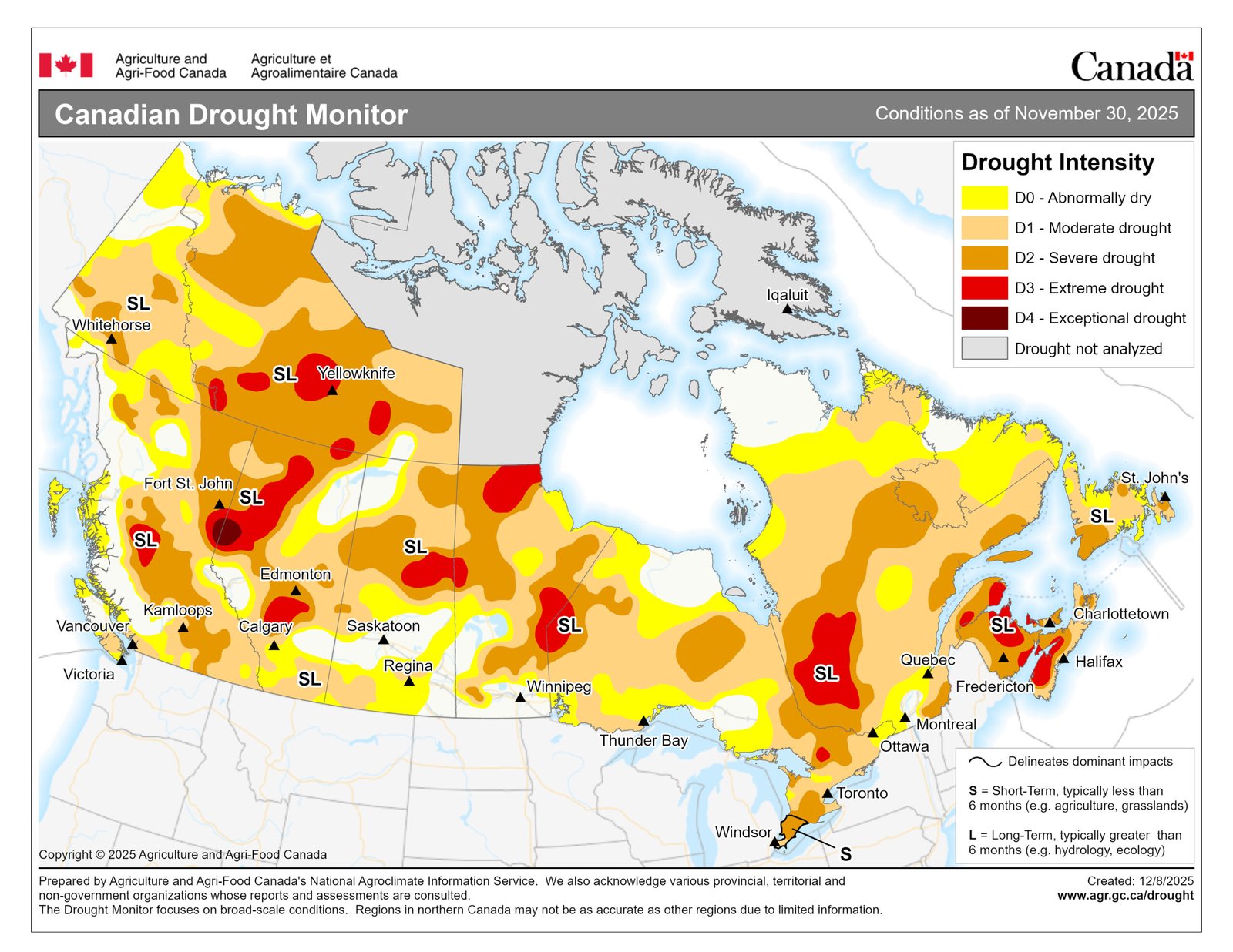
I asked AI for a breakdown on this specific water plan. I’m suspecting many similar plans have been underway in Quebec and Ontario lately as well (given the visibly disappearing water levels from both provinces), but Canadians are always kept in the dark until it is too late. Well, now it is too late. The water is gone. At least, they are doing something about it in Texas.
Overview of Kyle Bass’s Water Plan
Kyle Bass,a Dallas-based hedge fund manager known for his “big short” during the 2008 financial crisis, is behind a controversial plan to extract large quantities of groundwater fromEast Texas.Through his companyConservation Equity Management,founded in 2021, Bass aims to explore and potentially pump water from theCarrizo-Wilcox Aquifer,one of the most extensive aquifers in the southern United States, stretching from Louisiana to Mexico.
His stated goal is to address Texas’s looming water crisis by transporting water to regions facing shortages, particularly areas south of Waco and north of the Dallas-Fort Worth Metroplex.However, critics argue the project represents a “water grab” by an out-of-state investor that could deplete local resources.
Key Components of the Project
Bass’s plan involves several strategic steps:
Land Acquisition: He has purchasedover 11,000 acresacross Anderson, Houston, and Henderson counties through entities likeRedtown RanchandPine Bliss Ranch LLC.
Exploratory Wells: His companies have applied for permits to drill test wells to assess the aquifer’s capacity. These are not yet for full-scale extraction.
Extraction Capacity: If the tests confirm projections, the project could pump up to 48,972 acre-feet per year—approximately 15.9 billion gallons—from the aquifer.
Water Transport: While no pipeline has been built yet, the intent is to pipe the water to high-demand urban and industrial areas in central and north Texas.
Bass maintains the project is still in the data-gathering phase, saying: “Should the data… indicate less water is available than our hydrogeological and engineering studies project, we will re-evaluate our plans.”
The Role of the Carrizo-Wilcox Aquifer
The Carrizo-Wilcox Aquifer is central to this plan. It is a vast, sand-and-gravel-filled underground reservoir that functions more like a saturated sponge than a flowing river. It supplies water to thousands of private wells, farms, ranches, and small municipalities across East Texas.
The aquifer is not fully mapped, and its recharge rates are uncertain.
East Texas currently relies on it for agriculture, timber (pine forests), and domestic use.
Unlike the heavily regulated Edwards Aquifer, the Carrizo-Wilcox has limited oversight, especially in rural counties without groundwater districts.
Experts warn that over-extraction could lead to irreversible depletion or subsidence, as seen in other parts of Texas.
Legal and Regulatory Framework
Bass’s project exploits Texas’s longstanding “rule of capture” doctrine, which grants landowners the right to pump as much groundwater as they can, regardless of impact on neighbors.
This 120-year-old legal principle makes it extremely difficult to block private extraction, even at industrial scales.
A 2012 Texas Supreme Court ruling strengthened this right by allowing landowners to sue for regulatory takings if districts limit pumping.
The Neches & Trinity Valleys Groundwater Conservation District has limited authority and resources to challenge large operators.
Notably,Houston County,where Bass also owns land,has no groundwater meaning noregulatory oversight
Bass has invoked the rule of capture as the “bedrock principle of Texas property law”,signalling his intent to legally defend large-scale pumping.
Local and Statewide Opposition
The plan has sparked fierce resistance from East Texans:
Anderson County Judge Carey McKinney called it an “existential threat”, saying it “awakened the sleeping giant” of rural communities.
Local business owners, like Mark Calicutt of Calicutt Drilling Inc., distrust Bass’s models:
“I can make a computer model say whatever you want… But the real-world data I see every day is completely different.”
State lawmakers, including Rep. Trent Ashby (R-Lufkin), warn the project sets a “dangerous precedent” and threatens Houston County’s water supply.
Hundreds of residents have attended town halls and legislative hearings to oppose the plan.
Critics argue the water wouldbenefit distant cities and developers,not local communities.
Potential Environmental and Economic Impacts
The long-term consequences remain uncertain but potentially severe:
Depletion of Wells: Neighboring landowners may be forced todrill deeper or lose access to water, as seen in Lee County after the Vista Ridge pipeline.
Ecosystem Damage: Reduced water levels could harmsprings, wetlands, and wildlifedependent on groundwater.
Subsidence Risk: Uncontrolled pumping has causedground sinking in other regions, increasing flood vulnerability.
Economic Harm: East Texas industries likecattle, crops, and timberrely on consistent groundwater. Pine trees alone can use100–150 gallons per day.
Kelley Holcomb of the Angelina & Neches River Authority warns:
“We won’t know until they do it, and once they do it, it’s too freaking late.”
Another song from my 2024 Alchemy Album (Edge of a Cliff). The reason why I don’t want to release any music for now is because when something is released it is very difficult to take down. I prefer things fluid. Only time can tell me whether I want live with these songs or not. What happens after a year is, I want to slightly change the lyrics.
This summer many rivers in the Laurentians became non-navigable and people had to carry their kayaks in the mud. Riviére Rouge for example is almost but disappeared. Several Youtube videos document how kayaks get stuck.
Microsoft did the exact same thing to Iowa’s rivers in 2023. What Quebec has in common with Iowa is construction of data centers authorized by corrupt officials without prior consultation of the affected communities.
We can infer that these droughts clearly stand out as a modus operandi in Big Tech’s strategy to inflict irreversible environmental destruction to all North American land, not just the land they bought.
“Greater Western Water is assessing 19 data centre applications requesting to use a total of nearly 20 gigalitres of water a year. The proposed usage has prompted calls for mandatory water efficiency standards for data centres.”












 Another song from my 2024 Alchemy Album (Edge of a Cliff). The reason why I don’t want to release any music for now is because when something is released it is very difficult to take down. I prefer things fluid. Only time can tell me whether I want live with these songs or not. What happens after a year is, I want to slightly change the lyrics.